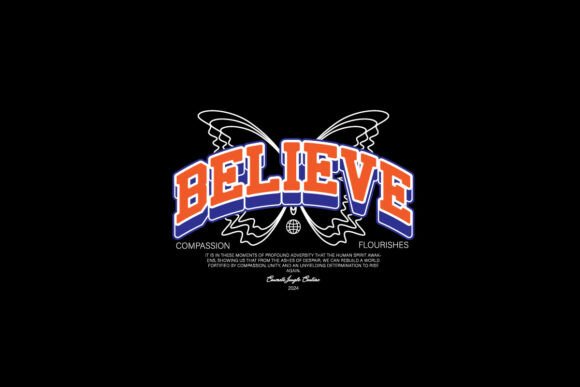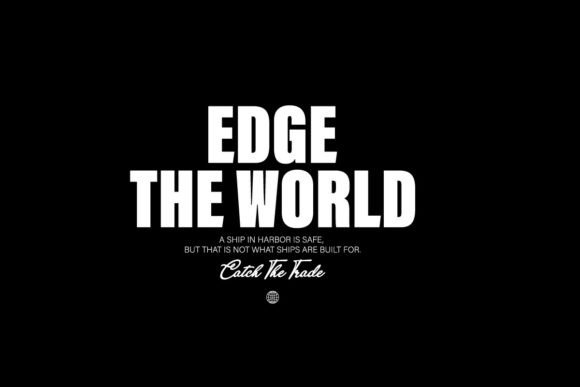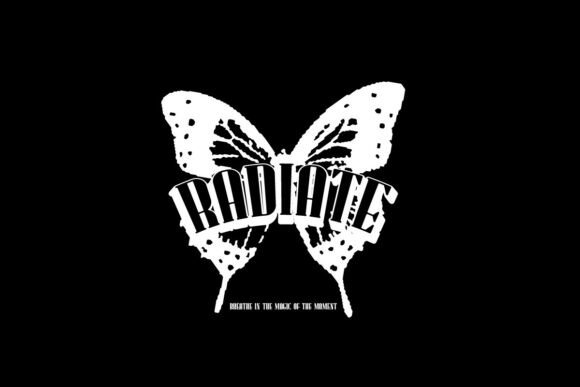
Future Streetwear Graphic Tee Designs: Bold Aesthetics for Modern Brands
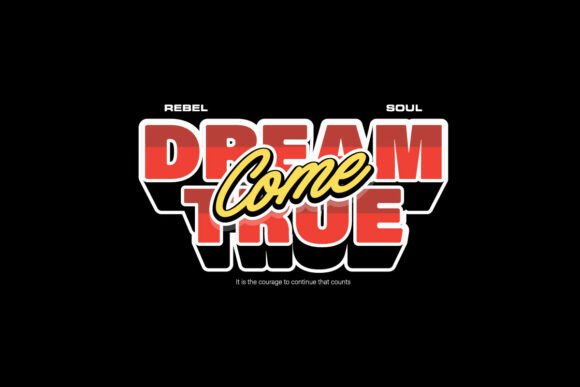
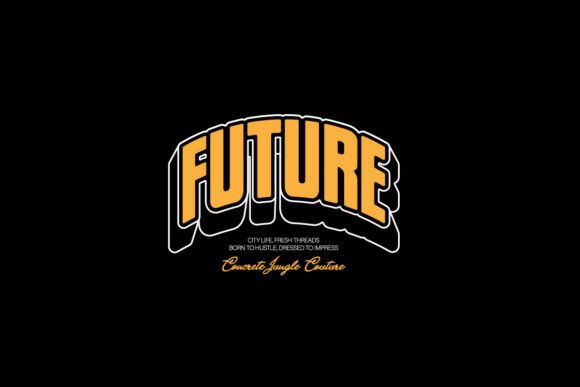
Future Streetwear Graphic Tee Designs is more than just a collection of digital assets; it's a visual language for a generation that values individuality and bold self-expression. At its core, this collection is a curated set of aesthetic quotes and typographic compositions, designed with the raw, confident energy of contemporary street culture. The visual characteristics lean into a blend of gritty textures, impactful sans serif and display font styles, and carefully balanced layouts. There’s an inherent personality here that feels both rebellious and polished—a duality that resonates deeply in today’s fashion landscape. It’s not just about slapping words on a shirt; it’s about crafting a statement piece that carries weight and attitude.
The overall appeal lies in its versatility and pre-packaged professionalism. For a designer or small business owner, starting from a blank canvas can be daunting. These designs provide a powerful starting point, offering that coveted "aesthetic" that’s hard to engineer from scratch. The files are 100% vector-based (EPS format), which is a game-changer. This means you’re not working with a static image. You can scale these designs to fit a massive back print or a small chest logo without any loss of quality. More importantly, you have full control. Transform, recolor, add, or remove elements to make the design uniquely yours. This adaptability is what separates a generic product from a signature piece in your brand’s collection.
From Screen to Street: Where These Designs Dominate
Understanding where Future Streetwear Graphic Tee Designs excels is key to leveraging their full potential. Unsurprisingly, they are perfect for custom printed clothing, especially within the streetwear, skate, and modern lifestyle niches. The designs are built for sublimation and direct-to-garment printing, ensuring crisp, vibrant results on fabric. But their application extends far beyond a single t-shirt. Think about the entire ecosystem of a fashion brand or creative business.
- Apparel & Merchandise: Hoodies, crewnecks, sweatpants, tote bags, and hats. The scalable vector format ensures your branding stays sharp across all items.
- Digital Presence: Use these graphics as powerful visual assets for your website banners, social media posts, and digital ads. A bold typographic statement can stop a scrolling thumb faster than a generic stock photo.
- Brand Identity & Marketing: Incorporate elements into your logo design or use the aesthetic as a foundation for your brand’s visual language. It can inform your packaging design, hangtags, and lookbook layouts, creating a cohesive and professional brand identity.
- Content Creation: For bloggers, publishers, and content creators, these designs offer a quick way to produce merchandise or create standout graphics for articles and video thumbnails.
The strength of this collection is its ability to serve as a core design asset that fuels multiple creative outputs, saving you time and ensuring visual consistency across every customer touchpoint.
Making It Your Own: A Practical Guide to Implementation
Having a great asset is one thing; using it effectively is another. Here’s how to approach Future Streetwear Graphic Tee Designs with a strategic mindset. First, evaluate the project fit. Is your brand’s voice aligned with this bold, typographic, and slightly edgy aesthetic? It works brilliantly for brands targeting a younger, style-conscious demographic but might need significant adaptation for a luxury minimalist or highly corporate context. Pull a few design files and place them on mockups of your products. Does it feel authentic to your story?
Next, consider font pairing and hierarchy. While the designs are complete, you may want to add your own text, like a brand name or slogan. The existing typography is likely a strong display font meant to be the hero. When adding text, opt for a simple, clean sans serif font or even a subtle script font for contrast. The goal is to maintain visual hierarchy—the main quote should still be the focal point. Use scale and spacing to create balance, not competition.
Finally, test rigorously